Family Estrangement at Christmas

By Catriona Standingford MBACP, MNCPS (Acc.)

Family estrangement at Christmas can be one of the hardest parts of being in low contact or no contact with someone, because the whole time of year is focused on family. Planning ahead for the hardest moments, having an answer ready for questions, and knowing where to find support can make it more manageable.

If today is hard
If you’re reading this on the day and it feels like too much, you don’t have to get through it alone. Samaritans are there any time, day or night, on 116 123, and the call is free. If you’re in danger or need urgent help, call 999.

At a glance

  • Christmas puts family at the centre of almost everything, so estrangement can feel harder in December, whichever side of it you’re on.
  • Deciding ahead of time about the hardest moments, cards, gifts and questions about your plans can take some pressure off the day.
  • It’s fine to change your plans on the day, and support is there if you need it, including on Christmas Day.
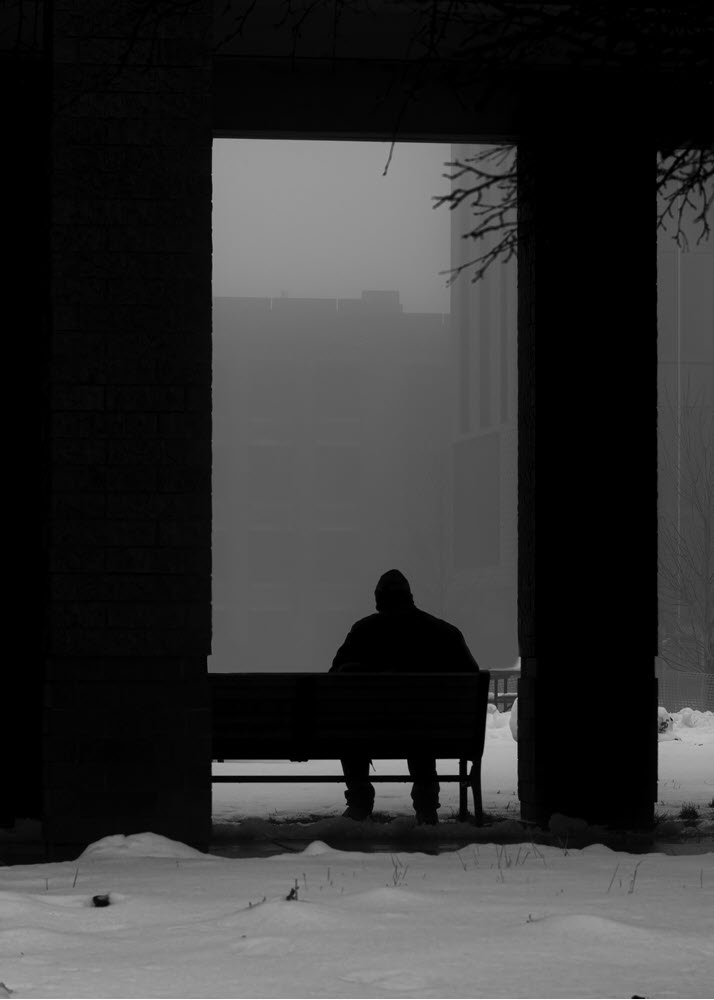
Person sitting alone on a bench in the snow on a winter day
Photo by Leroy Skalstad on Unsplash

Why is family estrangement at Christmas so hard?

Christmas can be hard because it puts family at the centre of almost everything, which magnifies your situation and the feelings you have. Shops start shouting about Christmas from as early as September, with TV adverts not far behind. There are Christmas jumpers for sale everywhere, along with outfits for the office party.

Wherever you look there seem to be perfect families, gathered round the tree on TV or passing the roast potatoes in a supermarket advert. If a relationship in your own family is painful or broken, Christmas can bring feelings of sadness, anger, guilt, shame, grief or frustration.

You might be the one who stepped back from a mum or dad. A brother or sister might have gone quiet on you, or you may have put some distance between you and them. Or perhaps you’re a parent whose adult child no longer gets in touch, or a grandparent with gifts wrapped for grandchildren you haven’t seen in a long time. Whichever side of it you’re on, the pain can be hard to bear, feeling like a huge weight on your shoulders and in your heart.

You’re far from alone in finding it hard. In 2015, research from the University of Cambridge’s Centre for Family Research found that 90% of more than 800 estranged adults described Christmas as “a key time of challenge”.

For many people, it isn’t only the person they’re missing. It’s the Christmas they hoped they’d have, the one where everyone got along and nobody had to leave early or hold their breath at the table. That can cause feelings of loss and grief, even if you were the person who stepped back.

How can you prepare for Christmas when you're estranged?

Planning ahead can take some of the pressure and overwhelm out of the day itself, because you’re making decisions while you’re calmer rather than in the middle of a wave of feelings.

Have an answer ready for questions about your plans

It can help to have a short answer ready before anyone asks. “Doing anything nice for Christmas?” comes from everywhere in December: friends, colleagues, the hairdresser, the person behind you at the checkout. Most people mean it as small talk, but when you’re estranged from family it can knock you down and leave you floundering for an answer.

Whilst you don’t have to explain yourself to anyone, something as simple as “Keeping it quiet this year” or “Oh, nothing much” is often enough. If someone pushes, “It’s a bit complicated so I’m keeping it quiet” can usually close off the conversation without saying more than you want to.

Pinpoint the hardest moments

It may help to think ahead about the parts of Christmas most likely to suddenly hit you hard in the moment. Perhaps Christmas Eve, or Christmas morning, or the hour when everyone else seems to be sitting down to lunch. Give each of those moments some attention beforehand and plan something around them, possibly a walk with a friend, a call to someone who gets it, or your favourite film with a cup of tea and the good biscuits.

Decide about cards and presents in advance

Cards and presents can raise their own questions. Do you send something to the family member you’re estranged from? And what do you do if something arrives from them? Making that decision ahead of time means it’s less likely to go round and round in your head, and you won’t be deciding while your emotions are high. Whatever you choose, you’re under no obligation to send anything or reply to anything.

Mute social media and any group chats

You might also want to consider muting social media or taking a break from it for a few days, so your feed isn’t a stream of “look, aren’t we perfect” family photos. Also look at muting group chats where it’s likely there will be a lot of Christmas chatter just when you don’t need it.

Make a plan that’s yours

Some people find it helps to create a new Christmas tradition of their own. That might be a Christmas walk, a box-set marathon, volunteering, or a lunch with friends who also have complicated families. It doesn’t have to be big, but make it yours.

How can you get through Christmas Day itself?

Small, practical things can help you get through Christmas Day, and it’s fine to change your plans if you need to.

Ground yourself if it gets too much

If the day starts to feel like too much, one simple grounding exercise is to name five things you can see, four you can hear, three you can touch, two you can smell and one you can taste. Or step outside for ten minutes, even if typical UK weather has taken hold and it’s raining.

Change your plans if you need to

It’s also fine to change your plans on the day. If you said you’d go somewhere and it feels like too much, you can leave early or not go at all. And if you’re with other people, it may help to have a quiet word with one person you trust, so someone knows if you need a few minutes on your own.

What might help after Christmas is over?

It’s common to feel a dip in the days after Christmas, when the build-up ends and the New Year is hovering with the questions that celebration brings.

It may help to notice what got you through Christmas, and see how you can apply that to any New Year celebrations. And also consider what you’d do differently next year, while what worked and maybe what didn’t is still fresh in your mind. A few lines in a notebook is enough, and next December you’ll have somewhere to start.

What if you're the one waiting for a card?

If you’re a parent, grandparent or sibling whose family member has stepped back, Christmas can bring its own particular struggles: the present bought and never sent, the card that doesn’t come, the missing invite. Your feelings matter too. Planning for the hardest moments, having an answer ready for well-meaning questions and finding support can help you as well.

If it’s your adult child who has stepped back, you might also find my post on when an adult child cuts off contact helpful.

Frequently asked questions

Is it normal to find Christmas hard when you’re estranged from family?

Yes. Christmas puts family at the centre of almost everything, so it’s very common for estrangement to feel more painful in December, whichever side of it you’re on.

Should I send a Christmas card to my estranged family member?

There’s no right answer, and you’re under no obligation to send one. It can help to decide ahead of time, while you’re calmer, rather than in the middle of the festive rush.

Does finding Christmas hard mean I should get back in touch?

Not necessarily. Strong feelings at Christmas are understandable, and it may feel less pressured if you wait until January before making any big decisions about contact.

Finding support

You don’t have to get through Christmas on your own. I’m a counsellor and therapist who works with people experiencing family estrangement, on both sides of it. If you’d like some space to talk through how you’re feeling, or some help putting a plan in place before the festive season, please get in touch. I work online or in person in Chepstow, South East Wales, and you can book a free 15 minute chat to see if we’re a good fit.

You can check my registration on the BACP Register and the NCPS Register, and it’s always worth checking that whoever you see is registered.

If you’re struggling and need to talk to someone now, Samaritans are there any time, day or night, on 116 123, including on Christmas Day. If you’re in danger or need urgent help, call 999.

Last updated 22 October 2026

Dreading Christmas this year?

If Christmas is already weighing on you, a free 15 minute chat is a chance to see whether talking it through might help, before the Christmas season gets going. There’s no pressure to book anything afterwards.

Email me at cs@catrionastandingford.co.uk, send a WhatsApp or text message to 07564 069711, or use the form on my contact page. I see clients online and face to face in Chepstow.

Catriona Standingford, registered counsellor therapist online and in-person in Chepstow, South East Wales

Catriona Standingford MBACP MNCPS (Acc.)

Therapist | Counsellor | Coach | Educator

Catriona is a registered counsellor and therapist providing online and in-person therapy in Chepstow, South East Wales. Combining extensive personal lived experience with formal CPCAB qualifications, she specialises in trauma recovery, abuse, family estrangement, and LGBTQIA+ affirmative therapy.

Read Catriona's full bio, credentials, and practice approach →

Share this article:

My professional accreditations and credentials

Catriona Standingford Registered Member 420820 MBACP logo
Catriona Standingford Member of NCPS
Catriona Standingford Trauma Informed Practitioner Counsellor Therapy MBACP

Are you in an emergency?

Are you currently experiencing an emergency or major crisis? Are you considering serious self-harm? Please seek immediate help from your GP, visiting your nearest A&E or dialing 999.

If you would like to have someone listen to you, you can also contact the Samaritans immediately on 116 123.  They are available 24 hours a day, 365 days a year.