By Catriona Standingford MBACP, MNCPS (Acc.)
Feeling guilt after cutting off parents is very common, and it doesn’t necessarily mean you made the wrong decision. Guilt can show up for many reasons: the family ‘rules’ you were brought up with, the love you may still feel for them, grief for what you hoped for, or other people’s judgement. You can feel guilty and still know that protecting yourself was necessary.
Key points
You may feel guilty because most of us learn very early that parents come first: be grateful, don’t answer back, family is family. So when you finally say “enough”, your body can react as though you’ve broken a rule, even when your head knows why you did it.
If you grew up being the peacekeeper, the one who smoothed things over and kept everyone happy, guilt can feel like an alarm going off. It’s the same alarm you heard when you were ten and someone was upset with you. Now the situation has changed, but your internal alarm hasn’t caught up yet.
Then there’s everyone else. You mention at work that you won’t be seeing your parents at Christmas, and a colleague says, “Oh, but you only get one mum.” And you find yourself floundering around, trying to explain, trying to defend yourself, then going home and playing it in your head, over and over, all night. Comments like these can make that guilt feel even harder.
No. Guilt is a feeling. It tells you that you care, that you have values, and that this relationship mattered to you. It doesn’t tell you whether the relationship was safe or healthy.
Many people who step back from a parent have tried for years to make things work. They’ve had the difficult conversations, set the boundaries, watched those boundaries get ignored. Cutting contact is rarely a sudden decision. It’s usually the last option after everything else has been tried.
You’re also not alone. An Ipsos MORI survey carried out in 2014 found that 8% of people in Great Britain were estranged from a family member, and more than a quarter knew someone who was.
There isn’t a way to make guilt disappear overnight, but there are ways to work through the feeling and make it easier to live your life.
When the guilt comes, you may find it helps to say to yourself: “This is guilt. It’s here because they mattered to me.” Sometimes shame sits alongside it, a feeling that there must be something wrong with you for stepping back. Naming what you feel can help you create a bit of distance from it.
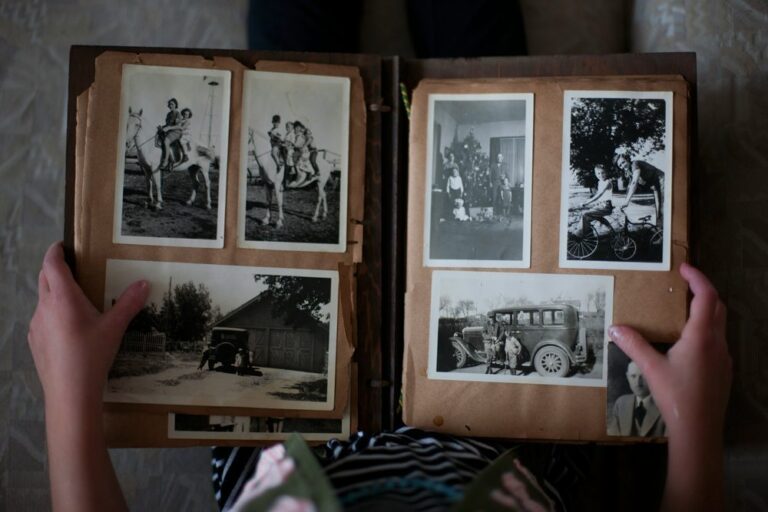
Sometimes what feels like guilt is actually grief. Grief for the parent you needed and didn’t have, for the family photos that will never be taken, for the version of things you hoped for. That grief and sense of loss are real.
Birthdays, Mother’s Day, Father’s Day and Christmas can bring guilt rushing back. You may find it helps to decide ahead of time how you’ll spend those days, and who you’ll spend them with. A plan won’t stop the feelings, but it can stop them from taking over.
Friends may mean well but still say the wrong thing. A counsellor who understands family estrangement can provide a space where you don’t have to justify your decision, you won’t be judged, and you will be given the room to explore how it feels. You can read more here about what counselling and therapy for family estrangement actually looks like.
If you’re the parent who has been cut off, the pain of that silence can be overwhelming, and you may be carrying your own guilt, shame, confusion or anger. Your feelings matter too, and support is available for you as well. You may find my post My Adult Child Has Cut Off Contact With Me, and I Don’t Know Why helpful.
Yes. Guilt is a very common feeling after estrangement, especially in the first months and around family occasions.
For many people it gets easier over time, particularly with support. It may still hit you hard now and then, but it usually becomes more manageable.
Yes. Counselling and therapy can help you understand where the guilt comes from, grieve what you’ve lost and look at what you want to do next.
Yes. You can miss your parent, the relationship that perhaps you once had with them, or the relationship you hoped to have with them in the future, and still know that stepping back was the right decision for you. Missing them doesn’t necessarily mean you need to reconnect.
If you’re struggling with guilt after cutting off parents, you don’t have to work through it alone. I’m a trauma-informed counsellor with a specialism in family estrangement, and I offer online counselling for family estrangement across the UK, and face to face in Chepstow, South East Wales. I work with adults on both sides of estrangement, whether they be a parent, an adult child, a sibling or another family member. You can book a free 15 minute chat to see how I can support you, with no pressure to continue.
You can check my registration on the BACP Register, and it’s important to check that whoever you see is registered too.
If you’re in crisis, contact Samaritans any time on 116 123, or call 999 in an emergency.
Last updated 5 October 2026

Therapist | Counsellor | Coach | Educator
Catriona is a registered counsellor and therapist providing online and in-person therapy in Chepstow, South East Wales. Combining extensive personal lived experience with formal CPCAB qualifications, she specialises in trauma recovery, abuse, family estrangement, and LGBTQIA+ affirmative therapy.
Read Catriona's full bio, credentials, and practice approach →

Are you currently experiencing an emergency or major crisis? Are you considering serious self-harm? Please seek immediate help from your GP, visiting your nearest A&E or dialing 999.
If you would like to have someone listen to you, you can also contact the Samaritans immediately on 116 123. They are available 24 hours a day, 365 days a year.