Five Common Myths About Anxiety

By Catriona Standingford MBACP, MNCPS (Acc.)

The most common myths about anxiety are that it’s a sign of weakness, that you can just snap out of it, that avoiding things keeps you safe, that panic attacks can harm you and that you’ll always feel this way. They are myths. The truth is that anxiety is common, well understood and often treatable.

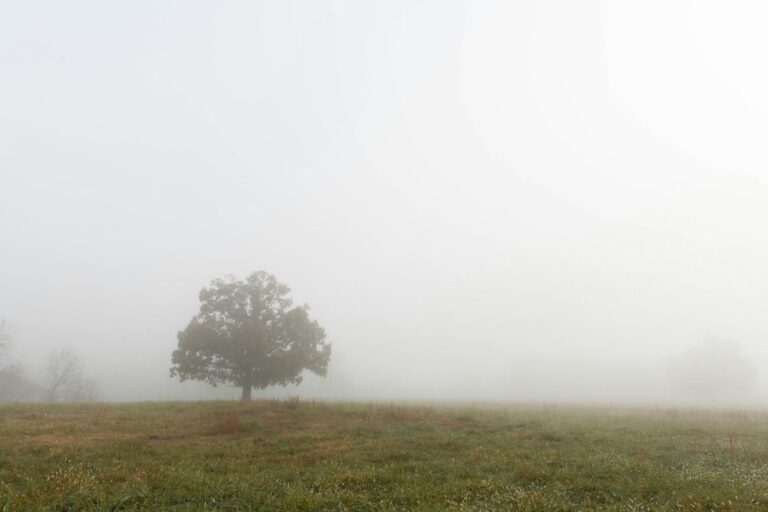
A single tree standing in a grassy field on a misty morning
Photo by Alex Hockett on Unsplash

At a glance

  • Myth: Anxiety is a sign of weakness. Reality: It’s one of the most common mental health problems, and it affects all kinds of people.
  • Myth: You can just snap out of it. Reality: Anxiety starts in the body, so willpower alone rarely switches it off.
  • Myth: Avoiding what scares you keeps you safe. Reality: It brings short-term relief but usually feeds the anxiety in the long run.
  • Myth: A panic attack can seriously hurt you. Reality: Panic attacks are frightening, but the NHS says they aren’t dangerous.
  • Myth: Once anxious, always anxious. Reality: Anxiety often eases with the right support, and counselling can help.

Where do myths about anxiety come from?

Most myths about anxiety come from the fact that you can’t see it, from older ideas about keeping a stiff upper lip, and from well-meaning people who haven’t felt it themselves.

Imagine telling someone that you’ve been struggling, and hearing, “But you’ve got nothing to worry about, you’ve got a lovely life.” They mean it kindly, but now you feel anxious and ungrateful, and you’re less likely to mention it again.

And then there are films that show panic attacks as dramatic collapses, and people saying “I’m so OCD” about a tidy desk, and it’s easy to see how mixed messages build up.

Is anxiety a sign of weakness?

Myth

“Anxious people just need to toughen up.”

The reality

No, anxiety isn’t a sign of weakness. It’s one of the most common mental health problems there is. A large NHS England survey of adults in England, from 2023/24, identified 7.5% of adults as having generalised anxiety disorder, about one adult in 13, and that’s only one type.

Some of the most capable people you know may be living with it. The manager who always has a plan B, or the friend who organises every get-together down to the last detail, can be running on worry behind the scenes. Getting through the day with anxiety often takes more strength, not less.

Can you just snap out of anxiety?

Myth

“Just relax. It’s all in your head.”

The reality

Usually not, and being told to can make things worse. Anxiety isn’t only in your head. It can be found in your racing pulse, your tight chest and your churning stomach, and the adrenaline fuelling it is already in your bloodstream before you’ve had a chance to think.

Imagine someone telling you to stop sneezing mid-sneeze. “Calm down” is pretty much the same, adding shame on top of it. What usually helps more is learning to let it pass and, over time, teaching the alarm that it can stop.

Does avoiding what makes you anxious help?

Myth

“If something makes you anxious, it’s best to stay away from it.”

The reality

In the short term it can, but over time avoidance tends to make anxiety stronger. Each time you sidestep the thing you fear, your brain labels it as ‘dangerous’ and gets ready to sound the alarm even sooner next time.

As an example, let’s say phone calls make your heart race. So your response is to switch to texts and emails, and that works, for a while. Then voicemails start to feel hard to listen to, and the doorbell makes you jump.

Facing fears in small, planned steps usually works better, at a pace you choose.

Can a panic attack hurt you?

Myth

“If my heart pounds like that, something terrible is going to happen.”

The reality

Panic attacks can feel terrifying, but the NHS says they aren’t dangerous and won’t cause you physical harm. Most last between 5 and 20 minutes.

In the middle of one, it’s easy to be convinced you’re having a heart attack or about to faint. Those sensations are adrenaline doing what it’s designed to do, just at the wrong moment. But if it’s your first attack, or anything feels different from usual, do get checked by a doctor. Once you know what’s happening, the fear of the next one can start to loosen its grip.

Will anxiety ever go away?

Myth

“I’ve always been anxious. That’s just who I am.”

The reality

For many people anxiety does ease, especially with the right support. For generalised anxiety disorder, the NHS says a GP will usually suggest talking therapies, such as counselling, before medicine, and plenty of people find their anxiety becomes much more manageable.

That doesn’t mean you’ll never feel anxious again, but there’s a big difference between an alarm that rings when it should and one that goes off every time your phone buzzes. If you’ve lived with anxiety for as long as you can remember, working with a counsellor may help you make sense of where it started and what is keeping it going.

What may help instead

What may help most is swapping the myths for more accurate thoughts, and taking small steps rather than big leaps. You might try:

  • Noticing when one of these myths pops up in your own head, and asking whether you’d say the same to a friend.
  • Choosing one small thing you’ve been avoiding and taking a first step towards it this week.
  • Telling one person you trust what anxiety is really like for you.

For more on what anxiety is and why it happens, you may find my post Understanding Anxiety When Your Mind Won’t Switch Off helpful.

Frequently asked questions

Can anxiety cause physical symptoms?

Yes. Because of the stress hormones it releases, anxiety can cause a racing heart, shortness of breath, dizziness, sweating, an upset stomach, headaches and tense muscles.

Is it normal to feel anxious for no reason?

It can be. Anxiety sometimes turns up without an obvious trigger, often because stress has been building in the background or the alarm has become more sensitive over time.

Do you need a diagnosis to get help for anxiety?

No. You don’t need a diagnosis to talk to your GP or to see a counsellor, and many people come to counselling simply because anxiety is affecting their life.

Finding support

If myths about anxiety have made it harder to ask for help, a therapist can be a good place to start. I’m a trauma-informed counsellor working with adults online and face to face in Chepstow, South East Wales, and I often help people with anxiety, stress and overwhelm.

You can check my registration on the BACP Register and the NCPS Register, and it’s always worth checking that whoever you see is registered.

Your GP is another good starting point, and Mind has helpful information about anxiety.

If you’re struggling to cope right now, Samaritans are there day or night on 116 123, free from any phone. If you or someone else is in danger, call 999.

Last updated 22 October 2026

Want to talk about your anxiety?

If any of these myths has kept you from reaching out, I understand why. Do get in touch. I offer a free 15 minute chat, with no pressure to book anything afterwards.

Email me at cs@catrionastandingford.co.uk, send a WhatsApp or text message to 07564 069711, or use the form on my contact page. I see clients online and face to face in Chepstow.

Have a question you’d like me to answer in a future post? Send it through my contact form. I’ll never use identifying details.

Catriona Standingford, registered counsellor therapist online and in-person in Chepstow, South East Wales

Catriona Standingford MBACP MNCPS (Acc.)

Therapist | Counsellor | Coach | Educator

Catriona is a registered counsellor and therapist providing online and in-person therapy in Chepstow, South East Wales. Combining extensive personal lived experience with formal CPCAB qualifications, she specialises in trauma recovery, abuse, family estrangement, and LGBTQIA+ affirmative therapy.

Read Catriona's full bio, credentials, and practice approach →
Share this article:

My professional accreditations and credentials

Catriona Standingford Registered Member 420820 MBACP logo
Catriona Standingford Member of NCPS
Catriona Standingford Trauma Informed Practitioner Counsellor Therapy MBACP

Are you in an emergency?

Are you currently experiencing an emergency or major crisis? Are you considering serious self-harm? Please seek immediate help from your GP, visiting your nearest A&E or dialing 999.

If you would like to have someone listen to you, you can also contact the Samaritans immediately on 116 123.  They are available 24 hours a day, 365 days a year.