What Is Coercive Control and How Can It Affect You?

By Catriona Standingford MBACP, MNCPS (Acc.)

Coercive control is a pattern of behaviour that someone uses over time to take away your freedom and make you dependent on them. It’s made up of many smaller acts, such as watching, criticising, isolating and threatening, rather than one incident.

Silhouette of a person sitting in a large dark window frame, looking out at a misty grey sea
Photo by Noah Silliman on Unsplash

Key points

  • Coercive control is a pattern of controlling behaviour, not a one-off argument, and it can happen with or without physical violence.
  • It can wear down your confidence, your friendships and your sense of what’s normal, which is why it’s often hard to see from the inside.
  • It’s more common than many people realise, and talking to a counsellor or a specialist domestic abuse service can help you make sense of what’s happening.
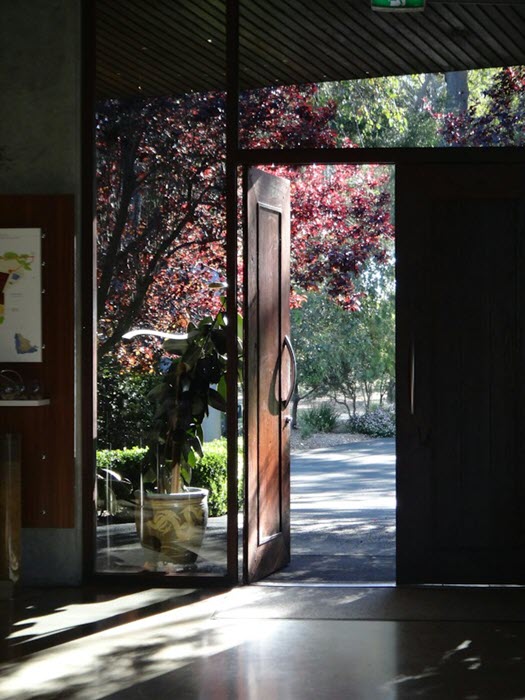
An open door leading from a dim room out into a sunlit garden with trees
Photo by Hailey Tong on Unsplash

What does coercive control look like?

Coercive control often looks like a set of rules about your everyday life (where you go, who you see, what you spend) that you’re made to follow, with consequences if you don’t. Each rule on its own might seem small, but together they reveal a pattern of behaviour.

Why it can be hard to see

It usually builds slowly, and the early signs can look a lot like care. Someone who texts to check you got home, that you got to work, that you’re at the supermarket, someone who’d rather you stayed in with them than went out with friends. On their own, these wouldn’t ring alarm bells, but over time they can point to something more serious.

It might be something as ordinary as a supermarket receipt. You come home, put the shopping away and hand it over without being asked, because you know the questions that come if you don’t – why that brand, why so much, who were you talking to at the till. Or perhaps you bought some nice cushions for the sofa, and you are asked why you didn’t ask them for the ‘ok’. Somewhere along the way, these things became normal.

What it can include

Checking your phone or tracking your location without you wanting it. Deciding what you wear, eat or when you sleep. Controlling money so you have to account for every penny and get permission to buy some things. Cutting you off from friends and family, constant put-downs, or insisting things didn’t happen the way you remember them, which is sometimes called gaslighting. There may be threats too, to hurt you, your children or your pets, or to share private photos. None of it has to involve physical violence.

Who it can happen to

Anyone. Women, men, transgender people, non-binary people and people in same-sex relationships. And it isn’t only partners. It can come from an ex, a parent, an adult child or another family member.

How common is coercive control?

More common than many people realise. In the year to March 2025, police in England and Wales recorded 49,557 cases of coercive control, according to the Office for National Statistics. That’s only the cases people reported. Many more never tell anyone, sometimes because it takes years to put a name to what’s been happening.

How can coercive control affect you?

Coercive control can affect your confidence, your health, your relationships and your sense of who you are, and those effects can be long-lasting. Living by someone else’s rules means checking what you do and say, rehearsing what you’ll say in any given situation, reading their mood from the way the front door closes. That takes a huge amount of energy.

How you see yourself

Over time you may start to doubt your own memory and judgement. If you’re told often enough that you’re useless, oversensitive or ‘too much’, some of it can become something you tell yourself. Even small decisions, like what to have for lunch, can be difficult when it’s been a long time since anyone let you make a decision.

Your body and mind

Many people feel anxious, low or constantly on edge, and sleep and concentration can suffer. These are understandable reactions to living under pressure. For some people they become trauma responses, such as flashbacks or jumping at sudden noises.

Your life outside the relationship

Friendships can fade because seeing people causes too much trouble at home. Shame can stop you telling anyone, especially if you feel you ‘should’ have seen it sooner. But coercive control works because it’s so hard to see from the inside.

What can you do if you're experiencing coercive control?

If you think you’re experiencing coercive control, you can talk to a counsellor therapist, a specialist domestic abuse service, think about your safety and take things at your own pace. You don’t have to decide anything today, and you don’t have to leave before you can get support.

Talk to a specialist service

Domestic abuse helplines are free, and you don’t need to be sure it’s ‘bad enough’ to call. In Wales, Live Fear Free is open day and night on 0808 80 10 800, or you can text 07860 077333. The National Domestic Abuse Helpline for women is open any time on 0808 2000 247. Men can call the Men’s Advice Line on 0808 801 0327, and Galop supports LGBT+ people on 0800 999 5428.

Think about your safety first

If the other person checks your phone or computer, they may see what you’ve been reading, so you might use a private browsing window or a friend’s phone. Leaving, or planning to leave, can be a particularly risky time, which is one reason to make a safety plan. A counsellor or specialist service can help. If you’re in immediate danger, call 999. If you call 999 from a mobile and can’t speak, listen to the operator and press 55 when asked.

Keep a record, if it’s safe to

Some people find it helps to note down what happens, with dates, somewhere the other person can’t find it, such as an email account they don’t know about. Seeing it written down can make the pattern clearer, and it may be useful later if you decide to involve the police.

Find someone to talk it through with

Counselling and specialist domestic abuse support is there for you. Talking with a counsellor with experience working with abuse and coercive control can give you the space and support to make sense of what happened, process your thoughts and feelings, and start trusting your own judgement again. That’s true whether you’re still in the relationship or it ended years ago.

What if you're worried someone you love is experiencing coercive control?

If you’re worried someone you love is being controlled, staying in touch and listening, without pushing them to leave, is usually what helps most. It can be painful to watch.

Telling them to ‘just leave’ can feel like one more person telling them what to do, and it may push them further away. Let them know you’ve noticed, that you’re there, and that several of the helplines above support friends and family too. You might also find my post on why emotional abuse can be just as dangerous as physical abuse useful.

Frequently asked questions

What is an example of coercive control?

An example of coercive control is a partner who checks your bank statements, decides who you can see and sulks or threatens when you don’t go along with it, so that over time you change how you live to avoid their reaction. It’s the pattern, rather than any one incident, that makes it coercive control.

Can coercive control happen after a relationship ends?

Yes, it can carry on through constant messages, turning up uninvited, or using child arrangements or money to keep a hold over you.

What kinds of abuse can coercive control include?

Coercive control is a wider pattern that can include emotional, financial, digital, physical and sexual abuse, all used to restrict your freedom. It can also happen without any physical violence at all.

Finding support

If any of this sounds familiar, it may help to talk it through with someone. I’m a trauma-informed counsellor with experience in abuse and coercive control, working with adults online and face to face in Chepstow, South East Wales, including people who have experienced coercive control and domestic abuse. You can check my registration on the BACP Register and the NCPS Register, and it’s always worth checking that whoever you see is registered.

For specialist domestic abuse support, these helplines are free:

If you’re in danger or need urgent help, call 999. If you need to talk to someone right now, Samaritans are there any time, day or night, on 116 123, and the call is free.

Last updated 16 November 2026

Ready to talk?

Making sense of coercive control can take time, especially when you’ve spent so long second-guessing yourself. Counselling and therapy gives you room to look at what happened at your own pace, with someone who won’t tell you what you should do next.

If you’d like to find out more, you can book a free 15 minute chat, with no pressure to book anything afterwards. Email cs@catrionastandingford.co.uk, WhatsApp or text 07564 069711, or use my contact form. I work online and face to face in Chepstow.

Catriona Standingford, registered counsellor therapist online and in-person in Chepstow, South East Wales

Catriona Standingford MBACP MNCPS (Acc.)

Therapist | Counsellor | Coach | Educator

Catriona is a registered counsellor and therapist providing online and in-person therapy in Chepstow, South East Wales. Combining extensive personal lived experience with formal CPCAB qualifications, she specialises in trauma recovery, abuse, family estrangement, and LGBTQIA+ affirmative therapy.

Read Catriona's full bio, credentials, and practice approach →

Share this article:

My professional accreditations and credentials

Catriona Standingford Registered Member 420820 MBACP logo
Catriona Standingford Member of NCPS
Catriona Standingford Trauma Informed Practitioner Counsellor Therapy MBACP

Are you in an emergency?

Are you currently experiencing an emergency or major crisis? Are you considering serious self-harm? Please seek immediate help from your GP, visiting your nearest A&E or dialing 999.

If you would like to have someone listen to you, you can also contact the Samaritans immediately on 116 123.  They are available 24 hours a day, 365 days a year.