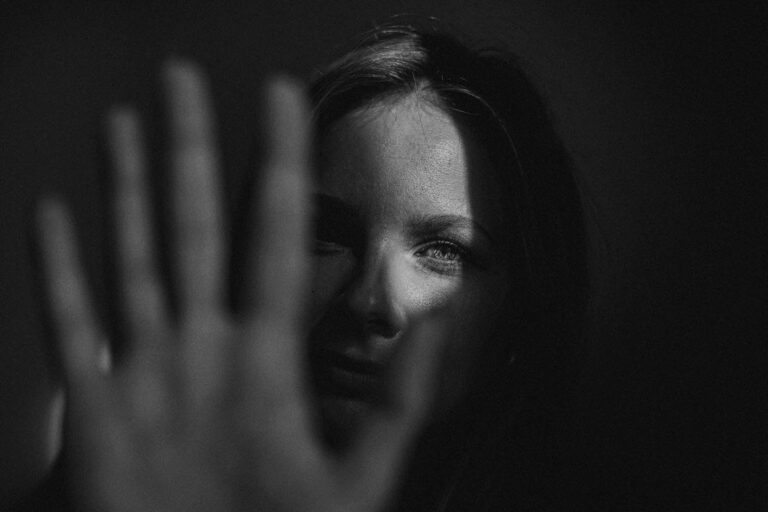
When people talk about abuse, most imagine a black eye, bruising on the body, broken bones and other visible injuries. If you can’t see it, surely it can’t be that bad. But not all abuse is physical. Emotional abuse leaves no marks on the skin. There are no bruises that you can show as evidence of the abuse. But emotional abuse is just as dangerous as physical abuse, just as damaging, and just as life‑altering. Whether it occurred in childhood, or as an adult with the perpetrator being a partner, a sibling, a parent or someone else, for many survivors the wounds of emotional abuse last far longer than any physical injury ever could.
Emotional abuse is a pattern of behaviours designed to undermine your confidence, isolate you, control you, and make you doubt your own reality. It can include gaslighting, silent treatment, constant criticism, humiliation, monitoring your movements, financial control, threats, or making you feel responsible for someone else’s emotions. None of these leave visible scars, but all of them erode your sense of safety and self.
Note: this is a composite/fictional example, not a real individual — though the scenario is realistic.
Catherine was a married working mum with a son aged 2. She juggled work, looking after her son and doing the majority of the housework and cooking. Just like anyone, she needed to time to recharge her batteries and ‘chill’ for a while. She loved her husband but he would admonish her for being ‘lazy’ because she was taking some downtime by watching TV. She found herself always being on alert in case he caught her – if she heard him coming down the stairs, she’d turn the TV off and pretend she was doing something that would meet his definition of productive. She would be criticised for not changing the bedding every week. She would cook dinner and when it was ready he would drag his heels and not appear until it had gone cold – a method of control. Her confidence fell, but she always had hope that this would change. That one day things would improve. But all that was changing was Catherine’s confidence, self-esteem and emotional well-being.
What makes emotional abuse so dangerous is its slow, cumulative impact. It often begins subtly with a comment here or a guilt trip there. Over time it becomes normalised and you don’t even notice how abusive it is. You may start to believe the things you’re told – you’re too sensitive, too dramatic, too needy, too difficult. This erosion of self-worth can make it incredibly hard to recognise what’s happening, let alone reach out for support.
Research consistently shows that emotional abuse can lead to anxiety, depression, chronic stress, trauma responses, and long-term health issues. Survivors often describe feeling like they’re “walking on eggshells”, constantly monitoring their behaviour to avoid conflict. This state of hypervigilance takes a toll on the nervous system, leaving people exhausted, overwhelmed, and disconnected from their own needs.
Healing from emotional abuse begins with recognising that something isn’t right and reaching out for help and support. Allow yourself to believe that you deserve safety, respect, and peace.
Catherine had never heard of the term ‘emotional abuse’ until her counsellor named it. A weight lifted from her shoulders. She wasn’t imagining this. Something was genuinely wrong and she could start working with her therapist to heal. With support, over time she found her way forward, and escaped.
If any part of this sounds familiar, do consider reaching out to have a chat. There is a way forward.

Therapist | Counsellor | Coach | Educator
Catriona is a registered counsellor and therapist providing online and in-person therapy in Chepstow, South East Wales. Combining extensive personal lived experience with formal CPCAB qualifications, she specialises in trauma recovery, abuse, family estrangement, and LGBTQIA+ affirmative therapy.
Read Catriona's full bio, credentials, and practice approach →
Are you currently experiencing an emergency or major crisis? Are you considering serious self-harm? Please seek immediate help from your GP, visiting your nearest A&E or dialing 999.
If you would like to have someone listen to you, you can also contact the Samaritans immediately on 116 123. They are available 24 hours a day, 365 days a year.