Gender Identity – Exploring who you are

Exploring gender identity isn’t a test or a box‑ticking exercise.  It’s a process of listening to yourself and discovering what feels true for you. For many, gender is not simply “male” or “female” but a rich, layered experience.  It’s not about becoming someone new, but about becoming more yourself.

Often the exploration begins almost unnoticed. A question while watching a film, a feeling of discomfort, a moment of recognition. Sometimes it starts with language — hearing a word that feels ‘right’. Sometimes it starts with the body — noticing when it is calm and when it is not. Sometimes it starts with community — seeing someone live in a way that sparks a thought, “me too.”

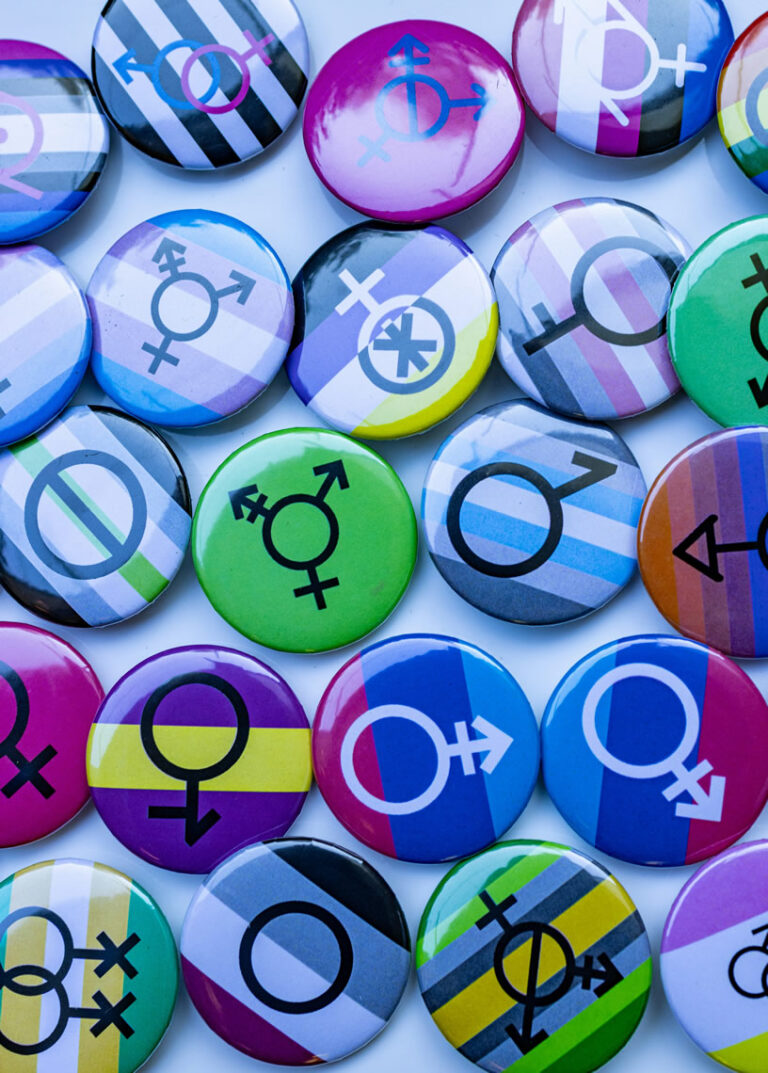
For people raised in rigid “male or female” norms, exploring identity can feel both liberating and frightening. Many of us were taught that gender is fixed, binary, and unquestionable, but cultures across history have recognised multiple genders, fluid identities, and expansive ways of being. What’s new is not gender diversity — what’s new is a level of freedom to talk about it.

Exploration

Exploration can bring up fear of judgement, of getting it “wrong”, of losing relationships and losing safety. These fears make sense as we live in a world where gender is often policed, politicised, or misunderstood. That’s why a safe and supportive space to explore is important, and finding those that will listen and hold you matters.

Exploring your gender identity is not something you owe anyone else. Exploring who you are is not something you need to justify and is not something you need to rush. You are allowed to take your time, you are allowed to change your mind, you are allowed to find language that fits you today and which may evolve tomorrow.

“What matters is the sense of 'this feels like me'.”

For some people, exploration leads to a clear identity label — non‑binary, trans, genderfluid, agender, or something else entirely. For others, labels feel limiting, and the exploration itself is the destination. What matters is the sense of “this feels like me.”

Affirming, safe, non-judgemental and non-directive support in counselling and therapy can be a positive environment for exploration, helping you explore the emotional, relational, and embodied layers of gender with respect and curiosity. 

If you would like to talk with me about your exploration, at whatever stage it may be, do get in touch.   You can also take a look at how I work with the LGBTQIA+ community.
Catriona Standingford, registered counsellor therapist online and in-person in Chepstow, South East Wales

Catriona Standingford

Therapist | Counsellor | Coach | Educator

Share this article:

My professional accreditations and credentials

Catriona Standingford Registered Member 420820 MBACP logo
Catriona Standingford Member of NCPS
Catriona Standingford Trauma Informed Practitioner Counsellor Therapy MBACP

Are you in an emergency?

Are you currently experiencing an emergency or major crisis? Are you considering serious self-harm? Please seek immediate help from your GP, visiting your nearest A&E or dialing 999.

If you would like to have someone listen to you, you can also contact the Samaritans immediately on 116 123.  They are available 24 hours a day, 365 days a year.